Netball: A Comprehensive Overview
Netball is a dynamic team sport enjoyed globally‚ with key competitions like the World Cup and Commonwealth Games. This 6-week training program focuses on building agility‚ speed‚ and strength.
Originating in England in 1895‚ netball shares similarities with basketball‚ korfball‚ and ultimate frisbee‚ emphasizing skillful play and fair contest.
What is Netball?
Netball is a captivating ball sport contested between two teams‚ each comprising seven players‚ on a rectangular court distinguished by elevated goal rings at opposing ends. The core objective revolves around skillfully scoring goals‚ achieved by accurately shooting a ball through these rings. A netball game necessitates a court‚ two goals‚ and a ball for play‚ though official matches adhere to regulation uniform standards.
For newcomers‚ netball shares fundamental principles with sports like basketball‚ korfball‚ or ultimate frisbee. The ultimate aim is to maximize goal scoring through precise ball handling and strategic teamwork. This exciting game demands both physical prowess and tactical intelligence‚ making it a globally cherished sport. A 6-week training program can significantly enhance these skills.
History of Netball
Netball’s origins trace back to 1895 in England‚ evolving from early versions of basketball. Initially conceived as a less physically demanding alternative for women‚ the sport quickly gained traction and spread beyond its birthplace. Over time‚ netball diversified‚ establishing distinct rules and a unique identity separate from its basketball predecessor.
By the early 20th century‚ netball had extended its reach to countries within the Commonwealth‚ fostering international competition and growth. Today‚ it’s played in over 70 nations‚ showcasing its global appeal. A focused 6-week training program can build upon this rich history‚ enhancing player skills and contributing to the sport’s continued evolution and success on the world stage.
Netball vs. Basketball: Key Differences
While sharing roots‚ netball and basketball possess crucial distinctions. Netball prohibits dribbling; players advance the ball via passing‚ emphasizing teamwork and spatial awareness. Designated positions restrict player movement to specific court zones‚ unlike basketball’s greater freedom. The ball itself differs – netball uses a slightly smaller‚ textured ball.
Furthermore‚ physical contact is more limited in netball‚ prioritizing skillful play over aggressive physicality. A comprehensive 6-week training program must address these nuances‚ focusing on precise passing‚ strategic positioning‚ and non-contact defensive techniques. Understanding these differences is vital for players transitioning between the two sports or seeking to excel in netball.
Understanding the Game
Netball involves two teams of seven players aiming to score by shooting through hoops. A 6-week program builds skills and fitness for competitive play.
The Netball Court and Equipment
Netball is played on a rectangular court‚ divided into thirds‚ with goal rings positioned at each end. A standard court measures 30.5 meters long and 15.25 meters wide. Essential equipment includes a size 5 netball – made of leather or rubber – and clearly marked goalposts.
For effective 6-week training‚ access to a court is ideal‚ but drills can be adapted for limited spaces. Cones are useful for agility work‚ and a first-aid kit is crucial for injury management. Proper footwear‚ providing ankle support‚ is also vital. Understanding court dimensions and equipment requirements enhances player awareness and optimizes training sessions‚ leading to improved performance and reduced risk of injury during the program;
Player Positions and Roles
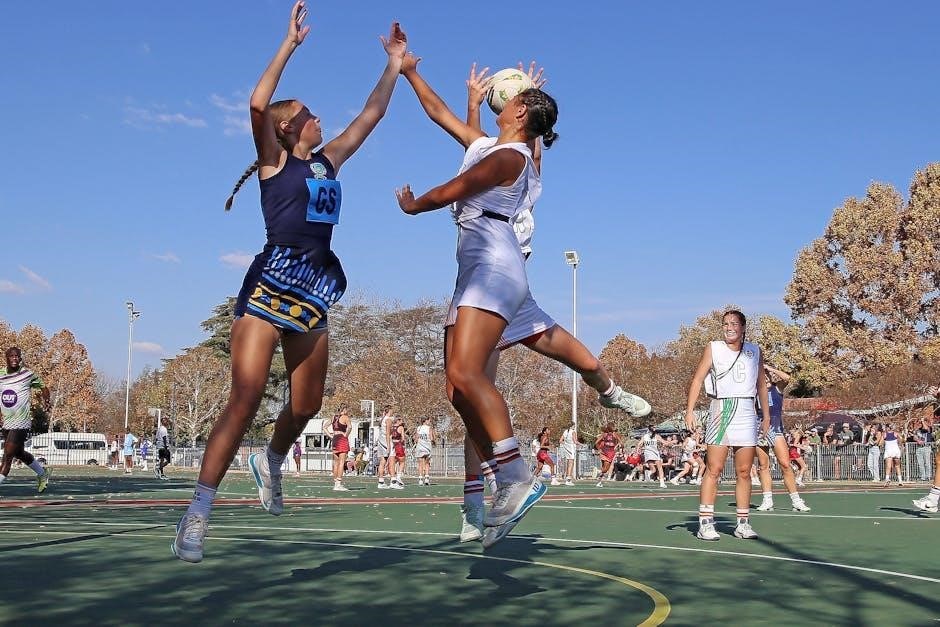
Netball teams consist of seven players‚ each with specific court restrictions and responsibilities. The Goal Shooter (GS) and Goal Attack (GA) focus on scoring within the goal third. Mid-court players – Wing Attack (WA) and Wing Defence (WD) – facilitate play and transition. Centre (C) has full court access‚ linking attack and defence.
Goal Keeper (GK) and Goal Defence (GD) defend the goal third. A successful 6-week training program should incorporate position-specific drills. Understanding these roles is crucial for tactical play. Training should emphasize teamwork and communication‚ ensuring players effectively support each other during the program‚ maximizing court coverage and scoring opportunities.
Basic Rules of Netball
Netball is governed by strict rules regarding player movement and ball handling. Players must pass the ball within three seconds of receiving it and cannot run with the ball. Each player is restricted to designated court areas based on their position. Contact is prohibited‚ emphasizing a non-physical game.
A 6-week training program must reinforce these rules. Understanding footwork and passing techniques is vital. Penalties‚ like free passes or intercepts‚ are awarded for rule infractions. Consistent rule application ensures fair play. Training should include scenarios to practice decision-making under pressure‚ solidifying players’ grasp of the game’s fundamentals.

6-Week Netball Training Program: Foundations
This intensive program builds endurance and basic skills over six weeks‚ focusing on cardiovascular fitness‚ passing‚ and catching for netball success.
Program Overview & Goals
This 6-week netball training program is meticulously designed to elevate your game‚ whether you’re a beginner or seeking to refine existing skills. The foundational phase‚ encompassing weeks 1-3‚ prioritizes building a robust base of endurance and mastering fundamental netball techniques.
Our primary goal is to enhance your cardiovascular fitness‚ improve passing accuracy‚ and solidify catching proficiency. We’ll progressively introduce agility drills and footwork patterns specific to each player position.
By the program’s conclusion‚ participants will demonstrate improved on-court stamina‚ increased ball-handling confidence‚ and a solid understanding of core netball principles. This program aims to prepare you for more advanced training and competitive play‚ fostering a love for the sport and maximizing your potential.
Week 1: Building Endurance & Basic Skills
Week 1 focuses on establishing a solid foundation of cardiovascular endurance and refining fundamental netball skills. Begin with cardiovascular training – jogging‚ interval runs‚ and shuttle runs – to improve stamina. Aim for three sessions this week‚ gradually increasing intensity and duration.
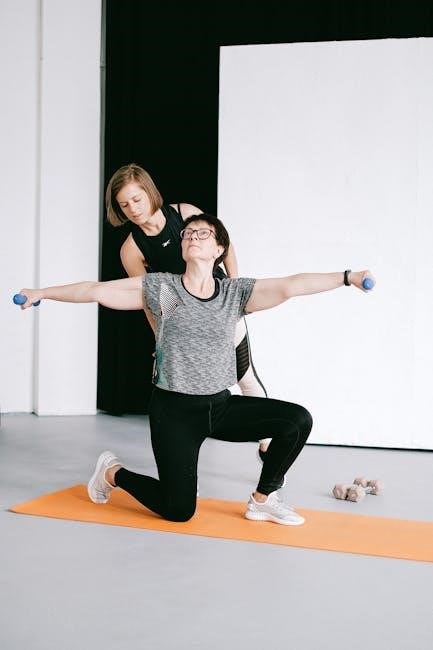
Alongside cardio‚ dedicate time to fundamental passing and catching drills. Practice chest passes‚ shoulder passes‚ and bounce passes with a partner‚ emphasizing accuracy and speed. Incorporate catching drills focusing on clean receptions and quick transitions.

Remember proper technique is crucial. This week is about building a base; prioritize form over speed. Consistent practice will lay the groundwork for more advanced skills in subsequent weeks.
Cardiovascular Training Focus
Cardiovascular training is paramount in netball‚ demanding sustained high-intensity movement. Week 1 prioritizes building this base. Implement interval training: alternate between high-intensity sprints (30 seconds) and recovery jogs (60 seconds) for 20 minutes‚ three times this week.
Incorporate shuttle runs – sprinting between cones placed at varying distances – to mimic the dynamic movements of a netball game. Longer‚ steady-state runs (20-30 minutes) at a conversational pace will also enhance endurance.
Focus on maintaining proper form throughout each session. Gradually increase the duration and intensity of your workouts as your fitness improves. Hydration and adequate rest are vital for recovery and optimal performance.
Fundamental Passing & Catching Drills
Week 1 emphasizes mastering fundamental passing and catching skills. Begin with chest passes: focus on a firm grip‚ extending arms‚ and following through towards your target. Practice with a partner‚ starting close and gradually increasing distance.
Introduce shoulder passes for longer-range accuracy‚ ensuring a smooth‚ overarm motion. Work on one-handed passes for quick distribution. Catching drills should involve soft hands‚ forming a diamond shape with fingers‚ and absorbing the ball’s impact.
Incorporate drills like the “around the circle” pass‚ enhancing agility and accuracy. Prioritize consistent practice to build muscle memory and improve overall ball handling proficiency.
Week 2: Agility and Footwork
Week 2 concentrates on enhancing agility and refining footwork‚ crucial for effective netball play. Cone drills are central: set up a course and practice quick changes of direction‚ shuffling‚ and sprinting between cones. Focus on maintaining a low center of gravity for stability.
Specific footwork patterns should be tailored to each position. Goal Attackers need swift pivots and cuts‚ while Goal Defenders require lateral movement and quick reactions. Centre players benefit from versatile footwork for both attack and defense.
Implement shuttle runs and ladder drills to improve speed and coordination. Emphasize proper technique to prevent injuries and maximize performance gains.
Cone Drills for Agility
Cone drills are fundamental for developing netball-specific agility. Arrange cones in various patterns – straight lines‚ zigzags‚ or squares – to challenge players’ change of direction speed. Begin with simple drills like weaving through cones at a moderate pace‚ focusing on maintaining a low center of gravity.
Progress to more complex drills incorporating sprints‚ shuffles‚ and backpedaling. Introduce reactive drills where a coach calls out a direction‚ forcing players to quickly adjust their path. Emphasize quick footwork and explosive movements;
Time each drill to encourage competition and track improvement. Ensure adequate rest between repetitions to maintain intensity and prevent fatigue.
Footwork Patterns for Each Position
Effective footwork is crucial in netball‚ varying by position. Goal Attack and Goal Shooter require quick pivots and deceptive movements to create space for shots. Wing Attack and Wing Defence need agile footwork for fast transitions and intercepting passes.
Centre players demand all-around footwork – speed‚ agility‚ and the ability to change direction rapidly. Goal Keeper and Goal Defence benefit from strong defensive footwork‚ including shuffling and quick reactions.
Drills should focus on specific patterns: scissor steps‚ chasses‚ and pivots. Practice footwork while passing and receiving to integrate skills.
Week 3: Shooting Accuracy & Technique
Week 3 concentrates on refining shooting skills. Begin with shooting form analysis‚ focusing on stance‚ arm angle‚ and follow-through. Ensure a consistent routine for each shot. Target practice is key; utilize marked zones on the goal ring to improve precision.
Implement shooting drills progressively. Start with stationary shots‚ then move to shooting after one step‚ and finally‚ shooting on the move. Incorporate pressure by adding a defender.
Record shooting percentages to track improvement. Focus on maintaining proper technique even under fatigue. Consistent practice builds muscle memory and boosts confidence.
Shooting Form Analysis
Shooting form analysis is crucial for accuracy. Begin by assessing the player’s stance – feet shoulder-width apart‚ balanced‚ and facing the goal. Observe the arm angle at the shooting pocket‚ ensuring a 90-degree bend. The elbow should remain aligned with the goal throughout the shot.
Pay close attention to the follow-through; a complete extension of the arm towards the target is vital. Analyze the wrist snap – it should be quick and decisive.
Video recording can provide valuable feedback. Identify any inconsistencies or areas for improvement. Correcting these foundational elements will significantly enhance shooting performance.
Target Practice & Shooting Drills
Target practice builds muscle memory and confidence. Start with stationary shooting‚ focusing on consistent form. Progress to shooting from various distances – 15m and 30m are key benchmarks. Introduce dynamic drills‚ simulating game-like scenarios.
Implement drills like ‘around the circle’ shooting‚ requiring quick footwork and accurate passes. Utilize cone placements to create shooting angles. Encourage players to visualize success before each shot.
Record shooting percentages to track progress. Incorporate pressure drills‚ adding a defender to simulate game conditions. Consistent practice is paramount for improving shooting accuracy.
6-Week Netball Training Program: Intermediate Level
Weeks 4-6 elevate your game with advanced defensive strategies‚ strength training‚ and game simulations‚ enhancing explosiveness and netball fitness.
Week 4: Defensive Strategies & Interception
This week concentrates on mastering defensive techniques crucial for gaining possession. Focus on establishing a strong defensive stance – knees bent‚ back straight‚ and arms actively seeking to disrupt passing lanes. Movement should be quick and reactive‚ mirroring the opponent’s actions while maintaining balance.
Drills will emphasize footwork for effective marking and shadowing. Techniques include intercepting passes by anticipating trajectories and utilizing quick hand movements. Practice defensive positioning to funnel opponents towards less advantageous areas of the court. Develop the ability to read the attacker’s body language and predict their next move. Communication with teammates is vital for coordinated defensive efforts; Remember‚ successful defense isn’t just about blocking; it’s about forcing errors and creating turnovers.
Defensive Stance & Movement
A solid defensive foundation begins with the correct stance: feet shoulder-width apart‚ knees bent‚ back straight‚ and weight balanced. Maintain a low center of gravity for quick reactions and agility. Arms should be actively raised‚ ready to intercept passes and disrupt the attacker’s space.
Movement is key – utilize a shuffling step to stay in front of your opponent‚ avoiding crossing your feet. Practice quick changes of direction and lateral movement to cover ground efficiently. Focus on mirroring the attacker’s movements while maintaining a balanced and controlled position. Anticipate their next move and adjust your stance accordingly. Effective defensive movement minimizes gaps and maximizes interception opportunities.
Interception Drills & Techniques

Mastering interceptions requires anticipation‚ quick reflexes‚ and precise timing. Drills should focus on reading the attacker’s body language and predicting pass trajectories. Practice “shadowing” drills‚ mirroring attacker movements to understand passing lanes. Implement reactive drills where a coach throws passes‚ forcing players to intercept.
Techniques include extending arms fully‚ reaching for the ball with fingertips‚ and securing a clean catch. Focus on intercepting before the ball reaches the attacker‚ disrupting their flow. Develop a strong defensive stance to quickly react to loose balls. Combine these drills with game-like scenarios to enhance decision-making and improve interception success rates.
Week 5: Strength & Power Development
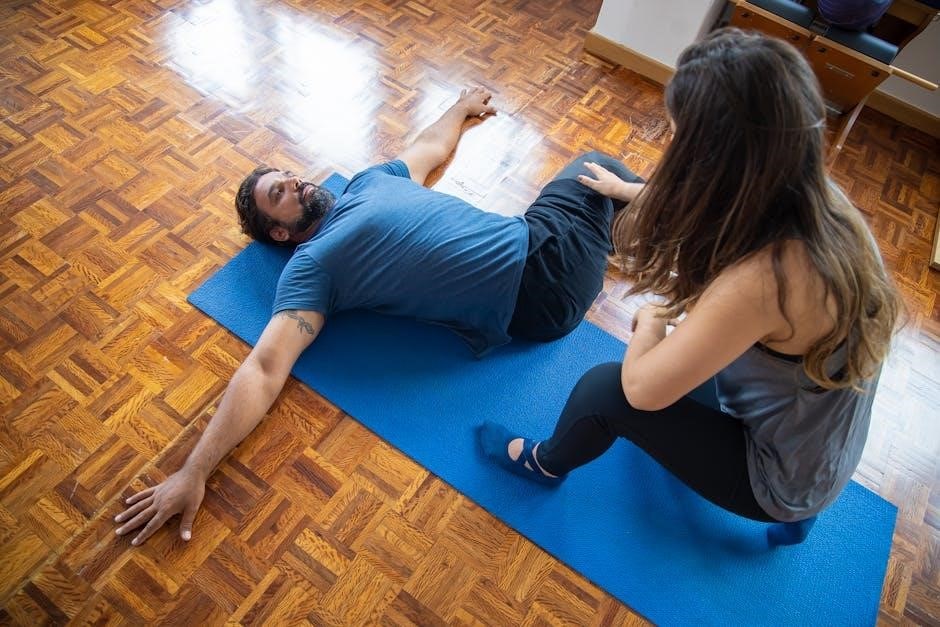
This week prioritizes building the muscular strength and explosive power crucial for netball performance. Strength training should target major muscle groups – legs‚ core‚ and upper body – using exercises like squats‚ lunges‚ push-ups‚ and rows. Focus on controlled movements and proper form to prevent injuries.
Plyometric exercises‚ such as jump squats‚ box jumps‚ and bounding‚ enhance explosiveness for jumping‚ sprinting‚ and quick changes of direction. Incorporate resistance bands for added challenge. Remember to warm up thoroughly before each session and cool down afterward. Prioritize recovery with adequate rest and nutrition to maximize gains.
Strength Training for Netball Players
Effective strength training for netball focuses on building functional strength‚ enhancing power‚ and preventing injuries. Key exercises include squats (for leg power)‚ lunges (for single-leg strength and balance)‚ and deadlifts (for posterior chain strength). Upper body strength is developed through push-ups‚ rows‚ and overhead presses.
Core stability is vital; incorporate planks‚ Russian twists‚ and medicine ball exercises. Aim for 3 sets of 8-12 repetitions for each exercise‚ gradually increasing the weight or resistance. Proper form is paramount – prioritize technique over lifting heavy weights. Remember to warm up before and cool down after each session.
Plyometric Exercises for Explosiveness
Plyometrics are crucial for developing the explosive power needed for jumping‚ landing‚ and quick changes of direction in netball. Exercises like box jumps‚ squat jumps‚ and lunge jumps enhance reactive strength. Implement bounding drills to improve stride length and power. Cone hops build agility and footwork speed.
Focus on minimizing ground contact time and maximizing effort with each jump. Begin with low-intensity exercises and gradually increase the height or complexity. Ensure proper landing technique to prevent injuries – soft landings are essential. Include 2-3 plyometric sessions per week‚ allowing for adequate recovery between sessions.
Week 6: Game Simulation & Conditioning
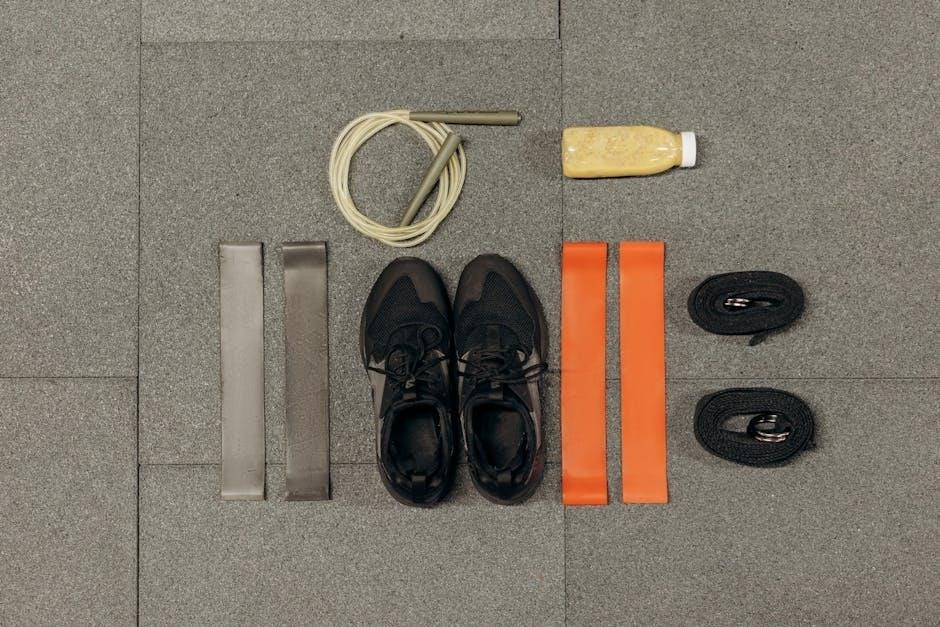
Week 6 culminates in full-court game scenarios‚ replicating match intensity and testing learned strategies. Focus on implementing defensive tactics and offensive plays under pressure. Run through various game situations – center passes‚ attacking third entries‚ and defensive transitions. Incorporate modified games with specific rules to emphasize particular skills.
Complement this with High-Intensity Interval Training (HIIT) like the “My Netfit” 15-minute workout‚ enhancing netball-specific fitness. Alternate between high-intensity bursts and short recovery periods. Prioritize maintaining speed and agility throughout the session. This final week integrates all previous training components for peak performance.
Full Court Game Scenarios
Implement realistic game situations to bridge the gap between drills and competitive play. Design scenarios focusing on center passes‚ quick transitions‚ and attacking/defensive rotations. Introduce pressure by limiting touches or time constraints. Simulate end-of-game scenarios requiring strategic decision-making under fatigue.
Vary the scenarios to cover diverse game challenges – defending a lead‚ overcoming a deficit‚ and adapting to different opponent strategies. Encourage players to communicate effectively and utilize learned skills. Analyze performance after each scenario‚ identifying areas for improvement. Focus on maintaining intensity and replicating match conditions as closely as possible.
HIIT Training for Netball Fitness
Incorporate High-Intensity Interval Training (HIIT) to enhance netball-specific fitness. Utilize short bursts of maximal effort followed by brief recovery periods. Examples include sprints‚ shuttle runs‚ and jump squats‚ mimicking game demands. Implement a work/rest ratio‚ such as 30 seconds work‚ 15 seconds rest‚ for optimal conditioning.
Consider using the MyNetfit 15-minute workout as a structured HIIT session. Focus on exercises that improve cardiovascular endurance‚ agility‚ and explosive power. Progressively increase the intensity and duration of intervals. Ensure adequate warm-up and cool-down routines to prevent injury. Monitor player fatigue and adjust the program accordingly.
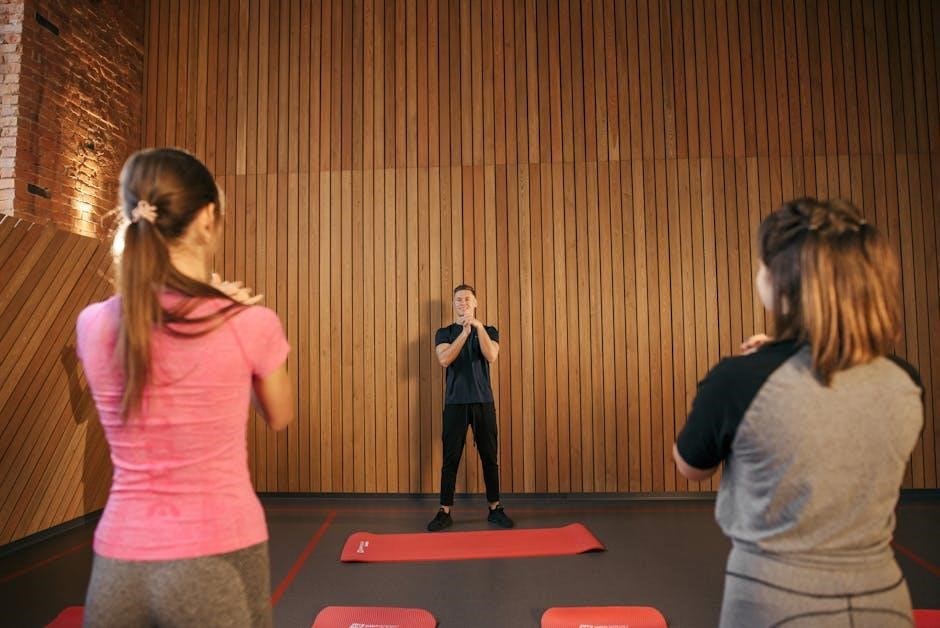
Advanced Training Considerations
Prioritize injury prevention through proper warm-ups‚ cool-downs‚ and recovery strategies. Optimize performance with tailored nutrition and mental toughness exercises for game strategy.
Injury Prevention & Recovery
Effective injury prevention is crucial for sustained netball performance. A comprehensive approach begins with dynamic warm-up routines before each training session and game‚ preparing muscles and joints for activity. Focus on strengthening key muscle groups – legs‚ core‚ and shoulders – to enhance stability and reduce strain.
Proper cool-down exercises‚ including static stretching‚ aid in muscle recovery and flexibility. Listen to your body; don’t push through pain. Implement a recovery plan incorporating adequate sleep‚ hydration‚ and a balanced diet. Consider incorporating foam rolling and massage to address muscle soreness and tightness. Early intervention with minor injuries‚ such as icing and rest‚ can prevent them from escalating into more serious issues.
Remember‚ proactive injury prevention is as important as reactive recovery!
Nutrition for Netball Performance
Optimal nutrition fuels netball performance and supports recovery. A balanced diet rich in carbohydrates provides energy for intense training and matches. Prioritize complex carbohydrates like whole grains‚ fruits‚ and vegetables for sustained energy release. Adequate protein intake is essential for muscle repair and growth‚ aiding recovery after strenuous activity.
Healthy fats are vital for overall health and hormone production. Hydration is paramount; drink water consistently throughout the day‚ especially before‚ during‚ and after exercise. Consider incorporating iron-rich foods to prevent fatigue‚ particularly for female athletes. Timing your meals strategically – pre-game‚ during breaks‚ and post-game – optimizes energy levels and recovery.
Remember‚ nutrition is a cornerstone of athletic success!
Mental Toughness & Game Strategy
Developing mental resilience is crucial for netball success. Cultivate a positive self-talk approach‚ focusing on strengths and learning from mistakes. Visualization techniques can enhance performance by mentally rehearsing successful plays. Effective communication with teammates is paramount for seamless gameplay and strategic adjustments.
Game strategy involves understanding opponent weaknesses and exploiting them. Adaptability is key; be prepared to modify tactics based on the game’s flow. Maintaining focus under pressure and managing emotions are vital skills. Analyzing past performances helps identify areas for improvement.
Remember‚ a strong mind complements physical prowess!